Alaska Flight Academy Adds First ELITE PI-235 Pro AATD
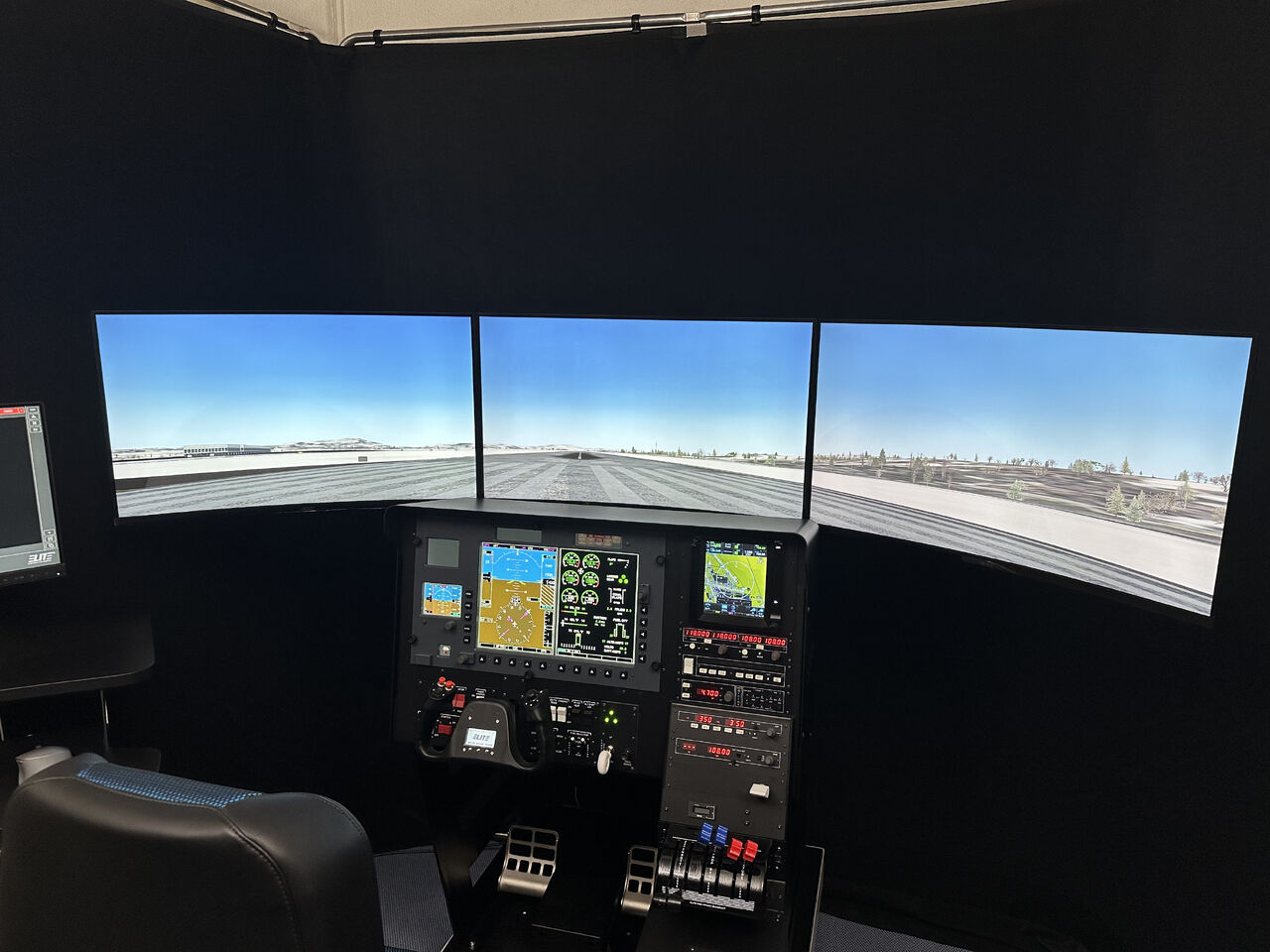
Alaska Flight Academy has installed its first ELITE PI-235 Pro Advanced Aviation Training Device, adding a flexible new platform for instrument instruction, avionics familiarization and scenario-based pilot training at the academy’s Wasilla facility.
The newly delivered PI-235 Pro gives Alaska Flight Academy an FAA-approved Advanced Aviation Training Device, commonly known as an AATD, that instructors can use alongside the school’s aircraft and classroom training.
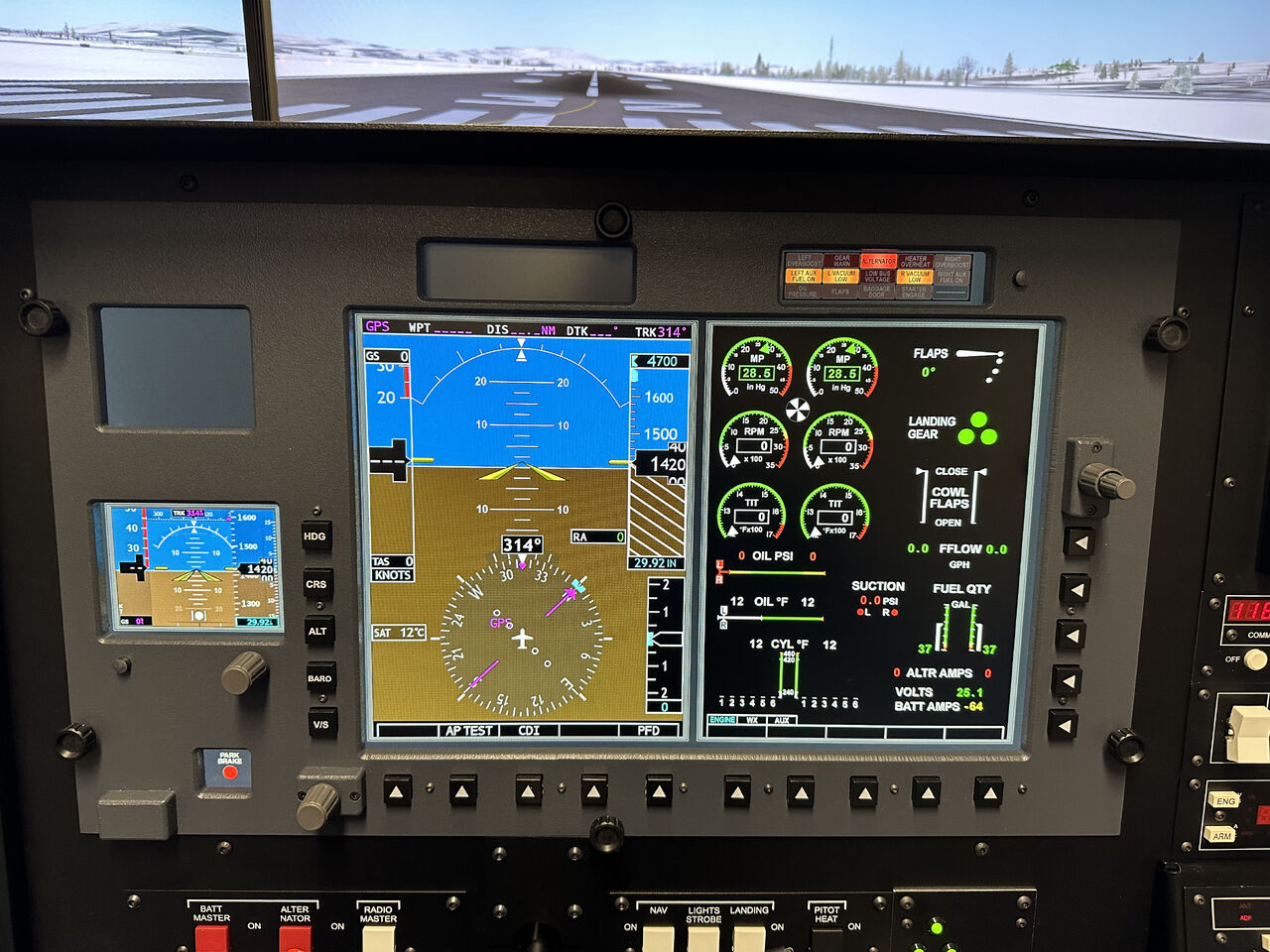
According to ELITE Simulation Solutions, the installation includes modern glass-cockpit functionality, Garmin avionics integration, realistic flight dynamics, dynamic control loading and professional instructor controls.
The simulator can support several areas of pilot development, including:
Instrument-flight procedures and IFR training
Navigation and avionics familiarization
Procedural and scenario-based instruction
Abnormal situations and emergency decision-making
Communication and cockpit-workflow exercises
Instructor-controlled weather and operational scenarios
The configurable cockpit allows the device to represent different single-engine and multiengine training environments. ELITE’s published specifications also list analog and glass-panel configurations, GTN 750 replication, electronic flight-bag compatibility and wraparound visual-display options.
Preparing Pilots for Alaska’s Demanding Environment
Simulation can be valuable at any flight school, but Alaska presents an especially compelling case.
Pilots operating in the state regularly encounter rapidly changing weather, mountainous terrain, limited infrastructure and remote destinations. Those conditions make careful planning, instrument proficiency and sound decision-making particularly important.
An instructor can use the PI-235 Pro to recreate challenging situations without exposing students, instructors or aircraft to unnecessary risk. Poor visibility, equipment failures, missed approaches and diversions can be introduced in a controlled environment, paused for discussion and repeated until the student understands the correct response.
The device can also keep training moving when actual weather makes an aircraft lesson impractical. That accessibility may help the academy use instructor time more efficiently while reducing fuel, maintenance and other aircraft operating expenses.
The PI-235 Pro is classified as an FAA-approved AATD rather than a full-flight simulator. That distinction allows qualifying simulator time to be applied toward certain training, experience and instrument-currency requirements.
The precise amount of credit available depends on the training program, applicable regulations and the device’s current FAA Letter of Authorization. The FAA requires an approved device to be accompanied by its authorization and Qualification and Approval Guide when it is used to satisfy regulatory training or experience requirements.
Students should therefore work with their instructor and flight school to determine how individual simulator sessions may be logged.
Beyond logbook credit, the device provides an environment where students can repeat procedures without the time pressures, fuel consumption or weather limitations associated with operating an aircraft.
Supporting the Academy’s Training Programs
Alaska Flight Academy is an FAA Part 141 flight school based in Wasilla. Its programs cover private and instrument training, commercial certificates, flight-instructor ratings, airline transport pilot preparation and helicopter instruction.
The addition of the PI-235 Pro provides another training resource for students progressing through those programs.
“We are delighted to support Alaska Flight Academy with the delivery and installation of their first ELITE PI-235 Pro AATD,” said René Huddlestone, ELITE’s director of marketing and sales.
ELITE says the installation reflects growing demand for advanced, cost-conscious simulation technology among North American flight schools. For Alaska Flight Academy, it offers students a new place to build experience before taking those skills into one of the world’s most demanding real-world flying environments.