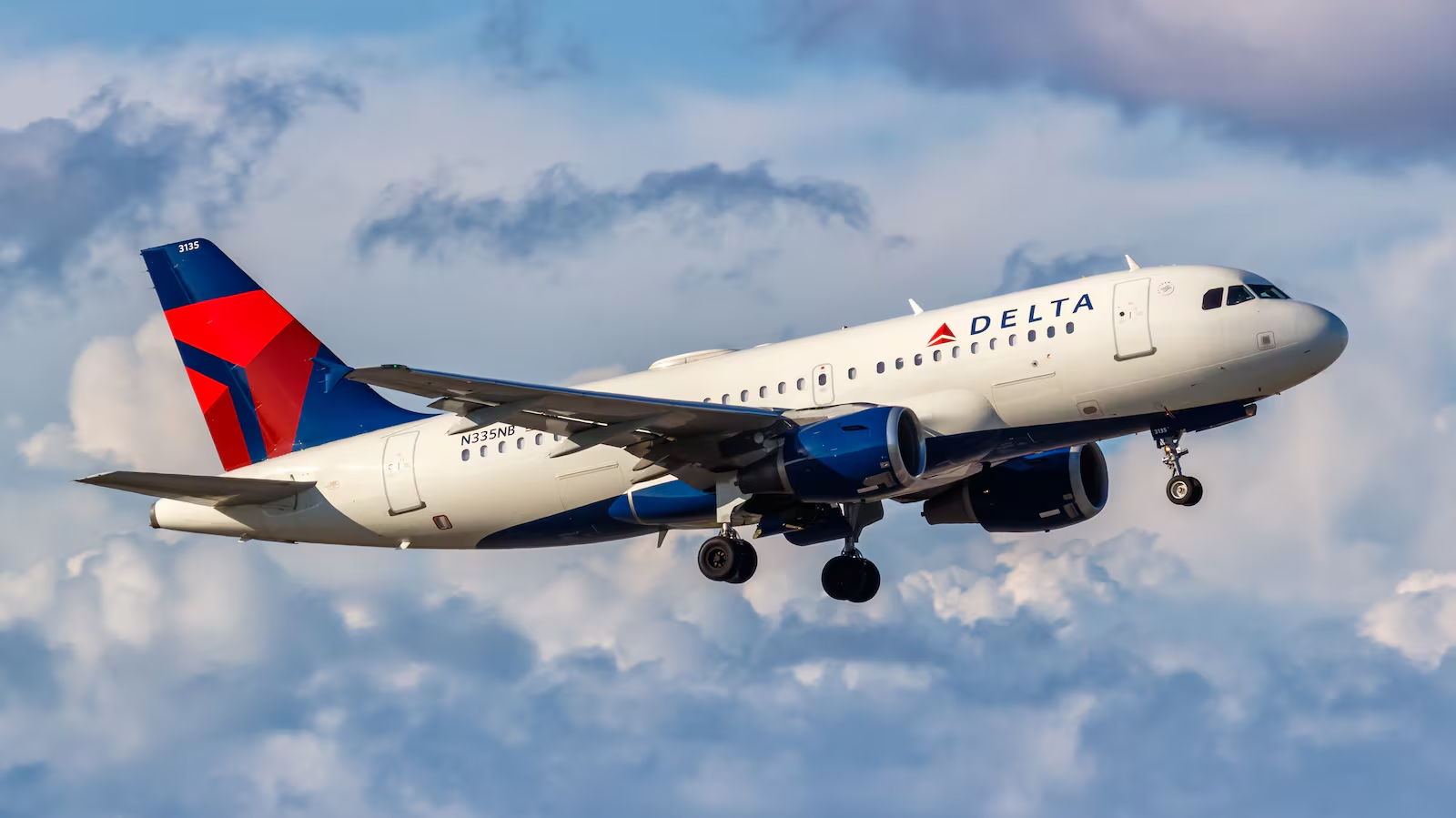

Delta Flight 2204 had departed Atlanta for Orlando when the crew reported the problem and turned back toward the airline’s home hub. The aircraft landed safely at approximately 8 a.m. local time.
Emergency Return to Atlanta
According to the Federal Aviation Administration, the Boeing 757-200 returned to Atlanta because of reported smoke in the cockpit.
After landing, the aircraft stopped on a taxiway and the crew initiated an evacuation using the emergency slides.
Delta told Reuters that the flight carried more than 200 people. One passenger and one crew member sought medical attention following the incident.
The FAA says it will investigate.
At this stage, neither the FAA nor Delta has publicly identified the source of the reported smoke, so it would be premature to describe the incident as an engine fire, electrical fire or failure of any particular aircraft system.
Passengers Evacuate on the Taxiway
Emergency evacuations are among the most serious procedures airline crews can initiate after landing.
Slides are designed to move large numbers of passengers away from an aircraft rapidly when remaining onboard may pose a greater risk than evacuating.
In this case, passengers exited the 757 directly onto the taxiway after the aircraft returned to Atlanta.
Local reporting described passengers being moved back to the terminal after the evacuation, while Delta arranged onward travel to Orlando.
The aircraft was taken out of service for inspection.
Why Cockpit Smoke Is Taken So Seriously
Smoke or fumes in the flight deck can create several simultaneous problems.
Beyond whatever mechanical or electrical issue is producing the smoke, visibility can deteriorate, crew members may need to use oxygen masks and communications can become more difficult.
Perhaps most importantly, crews may not immediately know where the smoke is coming from.
That uncertainty is why smoke procedures generally focus on protecting the crew, isolating possible sources and getting the aircraft safely on the ground as quickly as conditions require.
The circumstances surrounding Flight 2204 remain under investigation, and there is currently no official determination explaining what caused the reported smoke.
The Boeing 757 Remains a Workhorse
The aircraft involved was a Boeing 757-200, a type that remains an important part of Delta’s fleet decades after the model first entered airline service.
The 757 has developed an unusually loyal following among pilots and aviation enthusiasts because of its performance, range and distinctive operating characteristics.
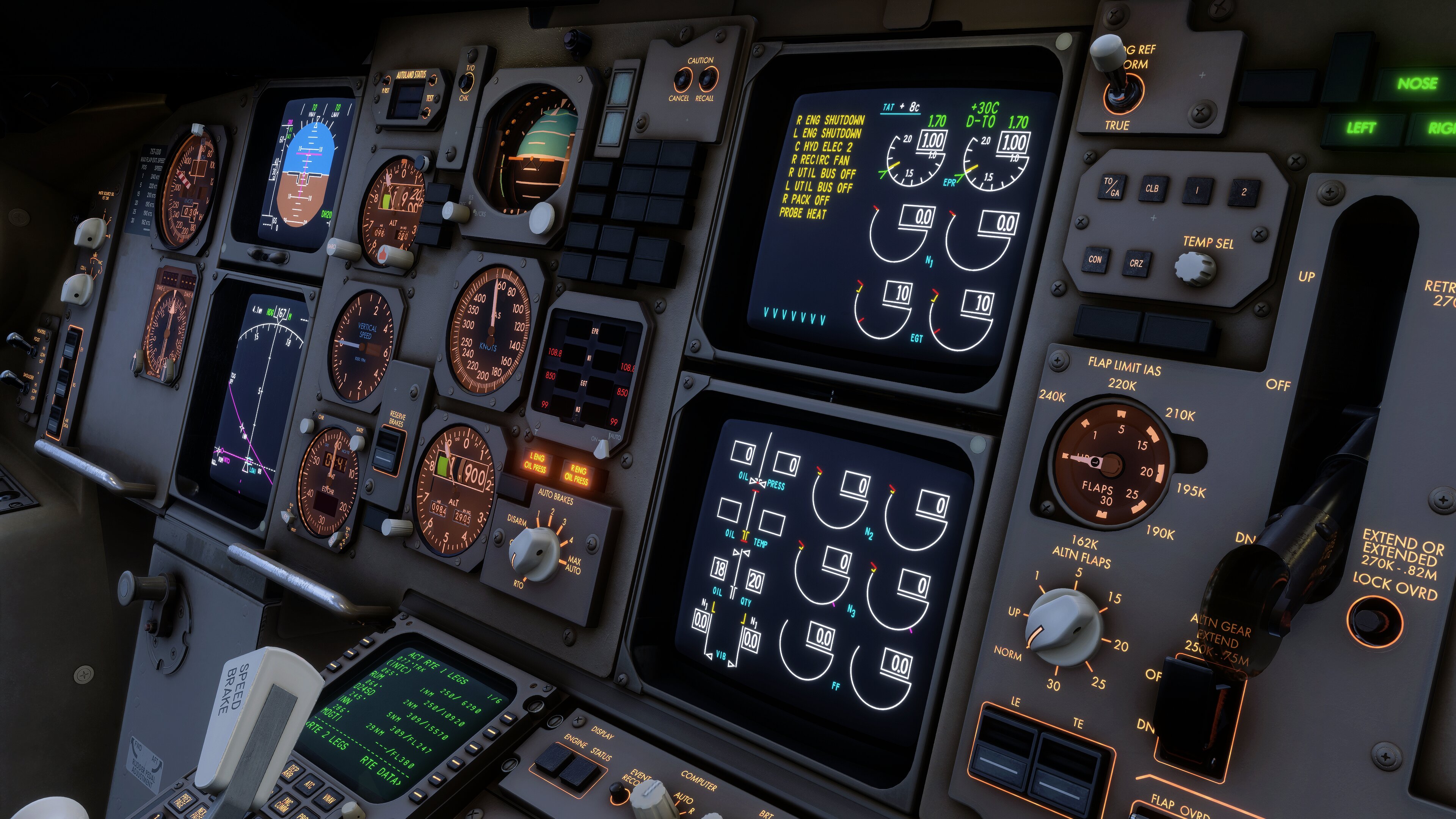
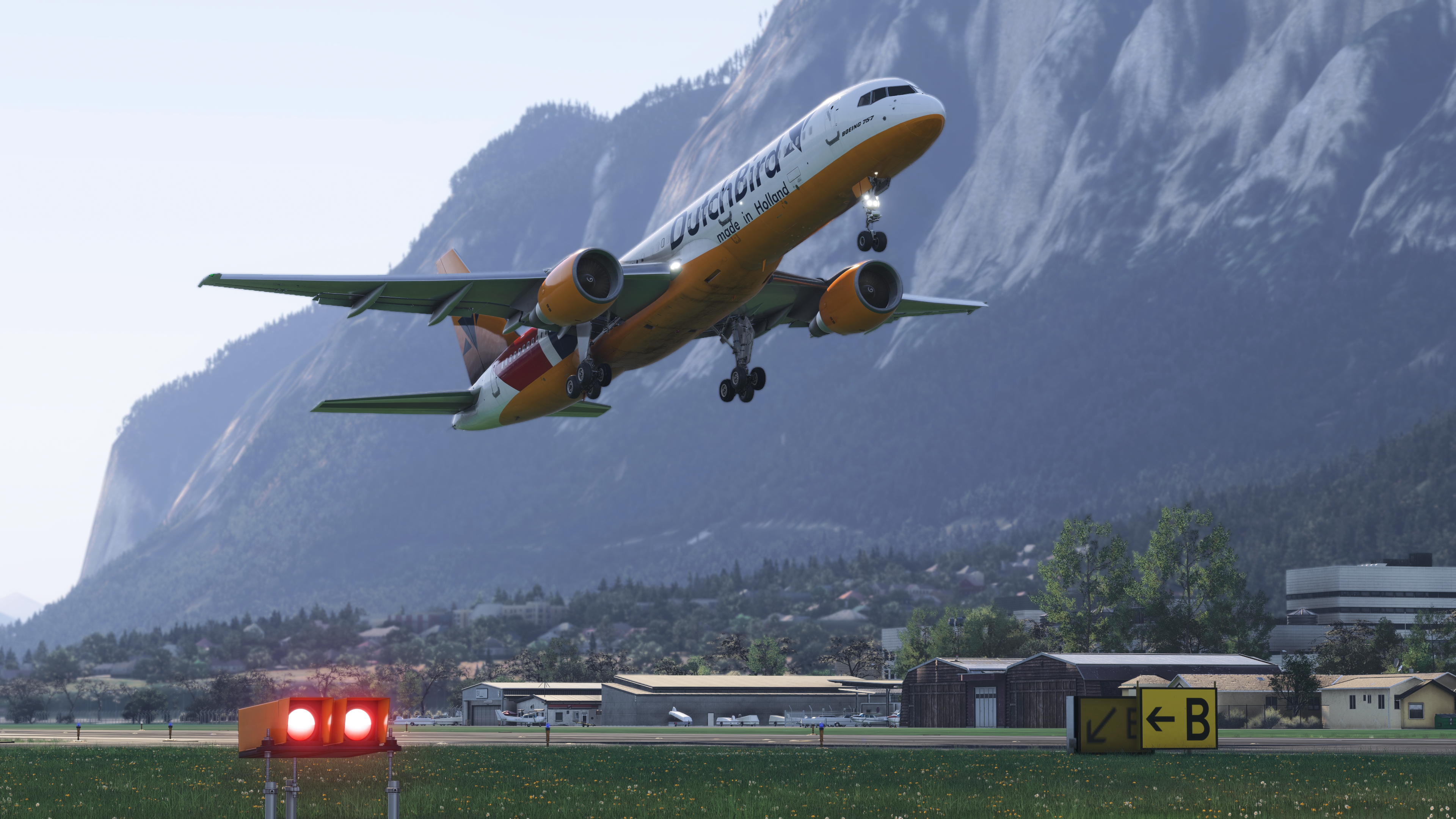
For flight-simulation enthusiasts, the type has also been receiving considerable attention recently as developers continue work on new high-fidelity 757 aircraft for Microsoft Flight Simulator.
The real-world Atlanta incident, however, should be viewed separately from any simulated-aircraft development.
There is currently no evidence connecting the event to any specific recurring Boeing 757 defect or fleetwide problem.
Investigation Comes Next
The FAA investigation will look at the circumstances surrounding the return, the reported smoke and the emergency evacuation.
Investigators may review maintenance records, crew reports, aircraft-system data and physical components from the airplane as they work to determine what happened.
Until that work is completed, the most accurate description remains straightforward:
The crew reported smoke in the cockpit, returned the Boeing 757 safely to Atlanta and evacuated the aircraft after landing.
That may sound less dramatic than declaring a fire or mechanical failure, but in aviation reporting, the difference between what is known and what is assumed matters.
The aircraft landed safely.
The passengers got out.
Now investigators have to find out why the smoke was there in the first place.