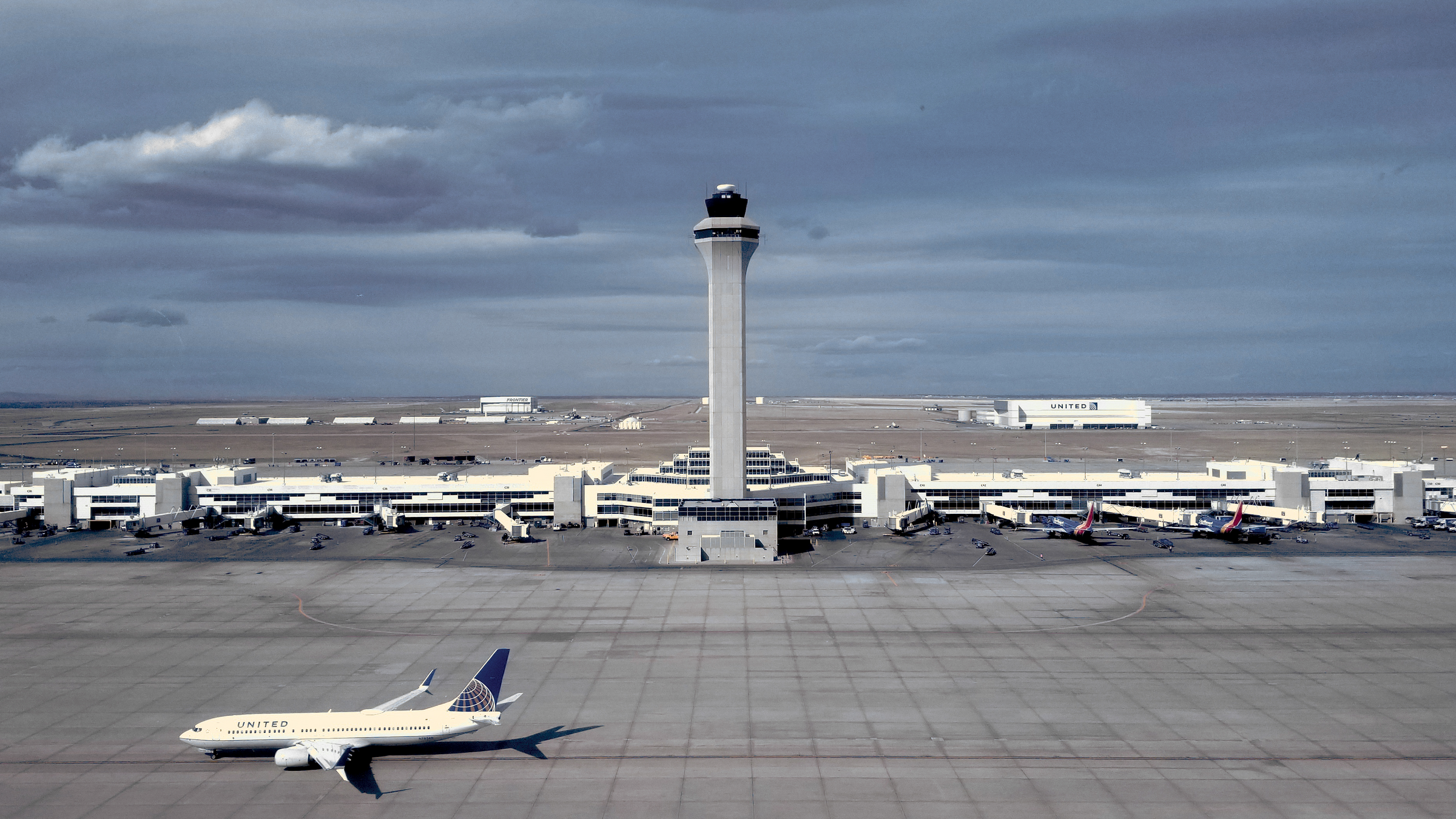

Dedicated Supervision Becomes Mandatory
FAA Notice JO 7210.979 requires a stand-alone Operations Supervisor or Controller-in-Charge position whenever line up and wait, commonly shortened to LUAW, is conducted.
That supervisory position cannot be combined with another position. The FAA says changing the wording from “should” to “must” removes ambiguity and ensures supervisors can oversee operations without simultaneously handling other operational tasks.

The notice also specifies that local control—the position handling runway traffic—cannot be combined with non-local duties such as ground control, clearance delivery or watch supervision during LUAW operations. Certain combinations involving other local-control positions remain permitted. (faa.gov)
What Pilots May Notice
The practical implication is that a tower unable to meet the required staffing arrangement cannot use LUAW.
Pilots at affected facilities may consequently spend more time holding short before receiving clearance to enter the runway and depart. That is a potential operational effect of the staffing requirement; the notice does not establish a nationwide delay forecast.
For passengers, any difference may simply look like another brief pause before departure. For the tower, it reflects the personnel required to use a particular procedure.

The Instruction Still Means Wait
The pilot’s responsibility remains familiar. A line up and wait instruction authorizes taxiing onto the assigned departure runway, aligning in the departure direction and waiting for further instructions.
It does not authorize takeoff. A separate takeoff clearance is required.
The FAA’s Aeronautical Information Manual also emphasizes monitoring other aircraft’s communications and immediately questioning any uncertainty about an instruction or clearance. Similar call signs deserve particular attention. (faa.gov)
In other words, being pointed down the runway does not mean the departure has been approved.

Stay Alert While Holding Position
Existing FAA airfield-safety guidance recommends contacting the tower if an aircraft has been holding in position for more than 90 seconds, or whenever a potential conflict becomes apparent. That advice predates the new staffing notice. (faa.gov)
Readers following air traffic developments can revisit our coverage of FAA modernization and the November 13 nationwide ground stop.
The official FAA notice contains the revised requirements. The change takes effect November 24, with dedicated supervision becoming a condition of conducting LUAW operations.