

Telecommunications Failure Disrupts Northeast Airports
The disruption began during the morning of September 21 when a primary telecommunications circuit serving the Federal Aviation Administration experienced a failure.
When the system attempted to shift operations to a backup connection, officials discovered that a fiber-optic cable in New Jersey had been accidentally severed. The combination left the FAA without the communications redundancy needed to continue normal operations across some of the country’s busiest airspace.
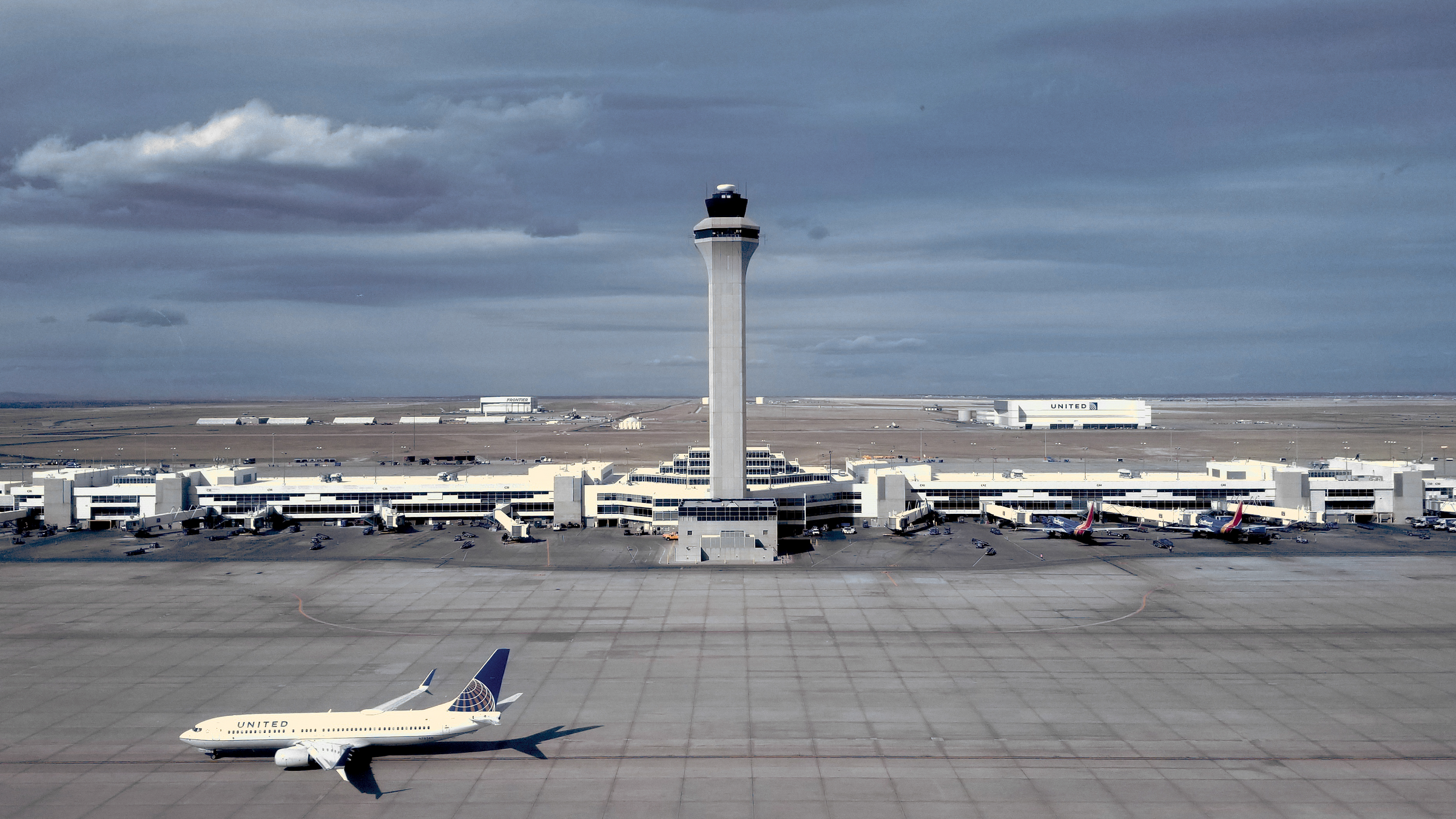
The agency temporarily stopped arrivals at New York’s three major airports—John F. Kennedy International, LaGuardia and Newark Liberty—along with Philadelphia International, Boston Logan, Ronald Reagan Washington National and several smaller airports.
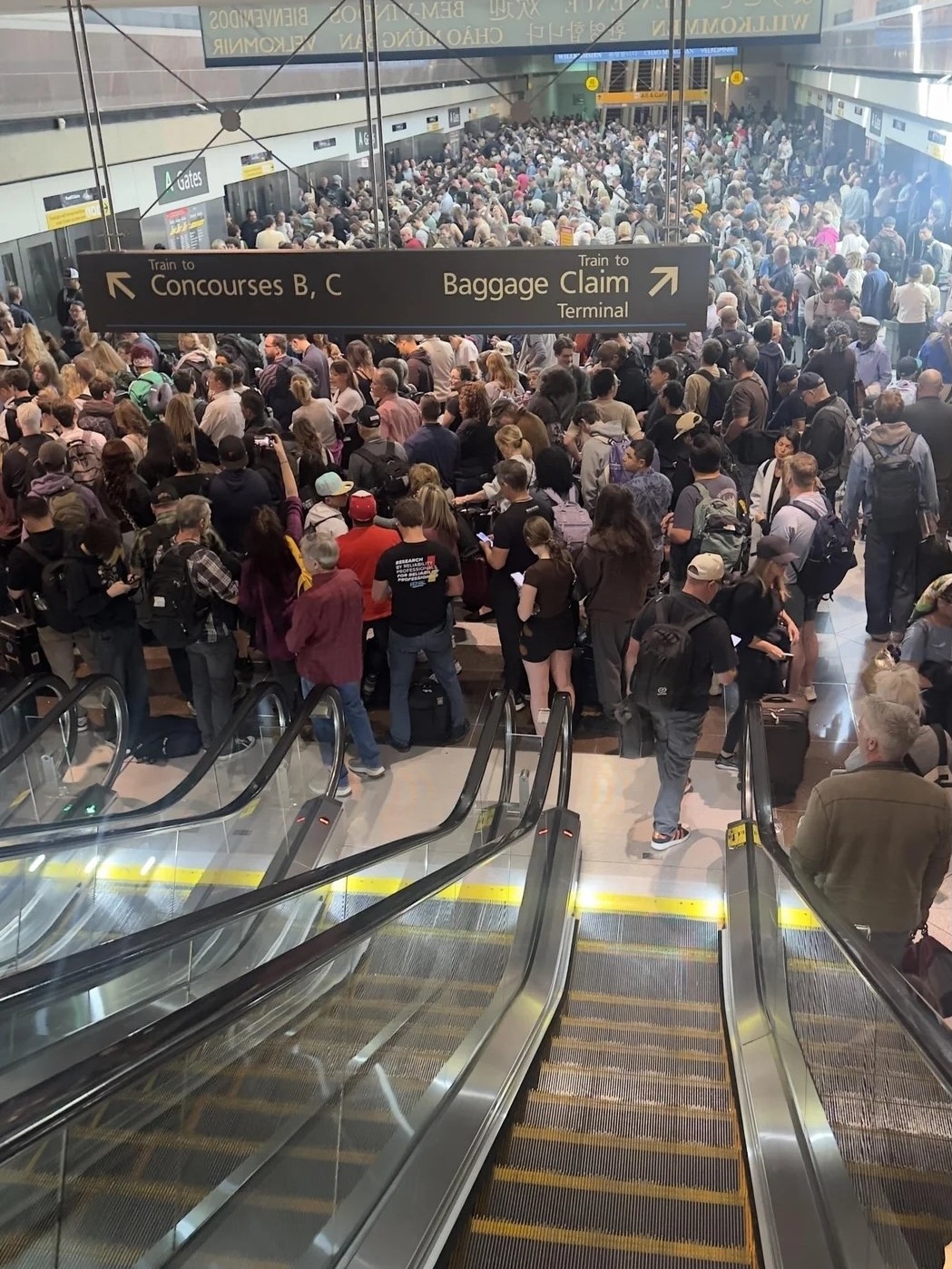
The communications problems were not fully resolved for approximately eight hours. More than 100 flights were diverted, while Newark experienced more than 600 cancellations, representing over half of its scheduled flights for the day.
Although the failure originated in the Northeast, the effects spread throughout the national aviation system as aircraft, crews and passengers fell out of position. Operations had largely returned to normal by the following day.
New Network Designed to Eliminate Single Failure Points
Transportation Secretary Sean Duffy says the FAA’s replacement architecture will be designed with multiple telecommunications routes entering its facilities.
The objective is to prevent the failure of one or two connections from creating another widespread interruption. Instead of relying on a limited primary-and-backup arrangement, critical facilities would have several available routes capable of carrying air traffic communications.
“This won’t happen in the future with the new architecture,” Duffy said while discussing the modernization effort.
FAA Administrator Bryan Bedford said the agency expects to replace its remaining outdated copper telecommunications wiring by September 2027. The project will transition facilities toward modern fiber-optic and digital communications while improving redundancy across the system.
Telecommunications upgrades are only part of the broader modernization program. The FAA is also replacing aging radar equipment, introducing updated digital radios, modernizing control towers and developing new software for managing traffic demand.
The agency previously said it was compressing work that could have taken approximately 15 years into a three-year modernization schedule.
Billions Requested for Aviation Infrastructure
Congress previously approved $12.5 billion to begin overhauling the nation’s air traffic control infrastructure and address controller staffing needs.
The estimated cost of telecommunications improvements has since increased from approximately $4.75 billion to $5.91 billion. Officials have attributed part of that increase to higher equipment and tariff costs.
Duffy is now requesting another $30 billion from Congress for air traffic control towers, software and airport improvements. That money has not yet been approved and will require congressional action before it becomes available.
The scale of the request illustrates how expensive—and overdue—the modernization effort has become. Air traffic control facilities cannot simply replace one piece of equipment and declare victory. Communications networks, radar systems, radios, computers, towers and the software connecting them must operate as one national system.
Much of that equipment must also remain operational while its replacement is installed. The FAA cannot exactly hang an “ATC closed for remodeling” sign on the nation’s airspace.
Modernizing How Flights Are Managed
The modernization program extends beyond replacing wires and radar screens.
The FAA awarded Air Space Intelligence a 12-year, $875 million contract to develop a new flight-management platform known as SMART—Strategic Management of Airspace, Routes and Trajectories.
The system is designed to examine airline schedules, weather, airport capacity and airspace conditions before aircraft depart. By identifying potential conflicts earlier, the FAA hopes to reduce congestion, provide airlines with more predictable information and avoid some of the delays created when too many flights are scheduled into constrained airspace.
Federal officials have also discussed moving air traffic control from analog to digital communications and eventually shifting hundreds of FAA facilities away from individually managed computer systems toward cloud-based infrastructure.
Those changes will take time, and new technology cannot eliminate delays caused by severe weather, runway closures or unexpected emergencies. However, the September outage demonstrated how a telecommunications failure can quickly affect flights far beyond the facility where the original problem occurred.
A Warning From an Aging System
The FAA maintains that the existing air traffic control system remains safe, but agency leaders have acknowledged that it is inefficient and burdened by technology that should have been replaced years ago.
The latest outage adds urgency to an overhaul already moving forward. For pilots and passengers, the immediate concern is reliability: communications infrastructure should have enough redundancy that one failed circuit and one damaged cable cannot place a large section of the country’s airspace into operational gridlock.
Replacing copper wiring, modernizing radar, upgrading towers and introducing new traffic-management software will not happen overnight. The September disruption nevertheless provided a clear demonstration of why those investments matter.
For a look at how real-world controller equipment is also inspiring the simulation community, read Sky Blue Radio’s coverage of Virtual Controller Supply’s realistic VATSIM ATC hardware.