

MSN 700 Takes to the Sky
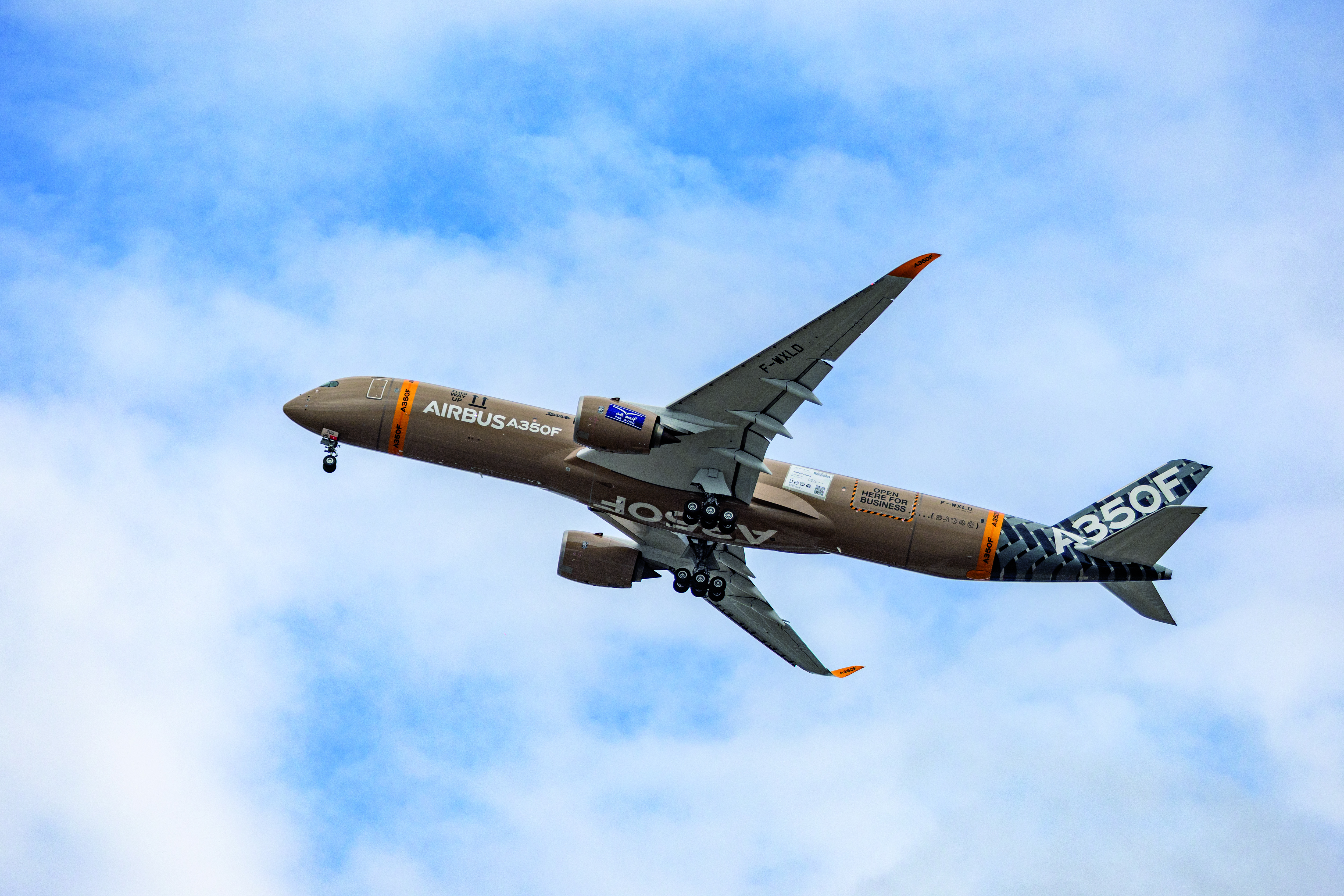
The first A350F flight-test aircraft, identified as MSN 700, departed from Toulouse-Blagnac Airport with a five-person Airbus flight-test crew aboard.
The aircraft flew for approximately four hours and 10 minutes while engineers monitored its handling, systems and general airworthiness. Airbus says the first-flight program focused on confirming that the aircraft’s basic flying qualities and major systems performed as predicted.
The crew included Captain and Test Pilot Bernardo Saez-Benito, Experimental Test Pilot Sylvain Guiraud, Test Flight Engineer Ludovic Girard and Lead Flight Test Engineers Laurent Bussiere and Jaime Angoloti.
Airbus conducted the early portion of the flight with the landing gear extended before retracting it later in the test. The A350F climbed to a maximum altitude of 25,000 feet before returning to Toulouse.
The successful flight officially begins a test and certification campaign expected to last more than nine months.
A Second A350F Will Join the Program
MSN 700 is the first of two aircraft assigned to the A350F flight-test program.
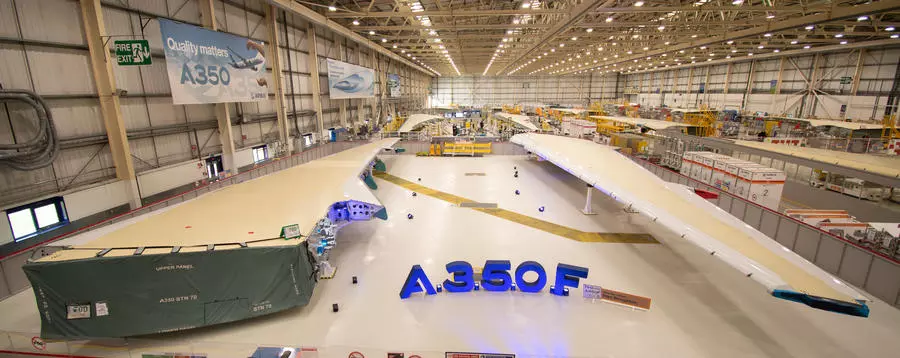
Airbus says the second prototype, MSN 701, is already at an advanced stage of final assembly and is expected to enter the paint shop within the coming weeks. The second aircraft will eventually join MSN 700 in parallel certification testing.
The first aircraft is expected to complete approximately 300 flight-test hours. Planned evaluations include cruise performance, handling qualities, flutter testing, autopilot operation, autoland capability and ram-air-turbine deployment.
MSN 701 is expected to contribute approximately 100 additional hours and will more closely resemble the aircraft Airbus intends to deliver to customers.
Testing will also cover cargo-compartment air systems, smoke detection, low-visibility takeoffs and the loading and unloading equipment required for everyday freight operations.
Designed Around the A350 Platform
The A350F is based on the passenger-carrying Airbus A350-1000, but it incorporates substantial changes for its cargo mission.
Airbus shortened the forward fuselage by five frames to improve the aircraft’s weight and balance. Passenger windows, most cabin doors and passenger-service systems have been removed.
The freighter also receives a reinforced fuselage and floor, a powered cargo-loading system and a large main-deck cargo door on the left side of the rear fuselage. Airbus describes it as the largest main-deck cargo door in the industry.
The aircraft retains the A350-1000’s wings and Rolls-Royce Trent XWB-97 engines.
For flight-simulation pilots already familiar with the passenger version, Sky Blue Radio has previously covered iniBuilds’ A350 updates for Microsoft Flight Simulator and the developer’s plans for a free A350 V2 upgrade.
No commercial A350F flight-simulator add-on has been announced in connection with the real aircraft’s first flight.
Built for Long-Haul Cargo Operations
Airbus lists the A350F with a payload capability of up to 111 metric tonnes and a range of approximately 8,700 kilometers when operating in its intended cargo configuration.
More than 70 percent of the aircraft is constructed from advanced materials, helping reduce structural weight. Airbus says the A350F has a maximum takeoff weight approximately 46 tonnes lower than competing aircraft in the same cargo category.
The manufacturer also claims that the Trent XWB-powered freighter could reduce fuel consumption and carbon emissions by as much as 40 percent compared with older competing aircraft offering similar payload and range capabilities.
The A350F is designed to meet the latest International Civil Aviation Organization carbon-emissions standards applicable to new freighter aircraft.
Airbus Challenges Boeing’s Cargo-Market Position
The A350F places Airbus in more direct competition with Boeing’s established large-freighter family.
Boeing has dominated the factory-built cargo-aircraft market through aircraft including the 747 freighter, 767F and 777F. Its next major entrant, the 777-8F, is currently under development as part of the wider 777X program.
Airbus launched the A350F program in 2021. As of the end of August 2026, the manufacturer reported 115 orders from 14 disclosed customers. Airbus says that represents approximately 59 percent of the current large-freighter order market.
Customers are watching the test campaign closely as Airbus works toward certification and entry into service. The manufacturer currently expects the first customer deliveries during the second half of 2027.
Certification Campaign Begins
The maiden flight represents an important transition for the A350F—from manufacturing and ground testing into the demanding flight-certification phase.
Over the coming months, Airbus will progressively expand the aircraft’s test envelope and evaluate its performance in a wide range of operating conditions. The two test aircraft must demonstrate that the A350F can safely handle routine airline operations, demanding weather, low-visibility departures, automated landings and the repeated loading cycles required by major cargo carriers.
Airbus’s official A350F maiden-flight announcement includes additional technical details and downloadable media from the first flight.
If the remaining program stays on schedule, the A350F could begin carrying commercial freight during the second half of 2027—giving Airbus a new contender in a market Boeing has controlled for decades.