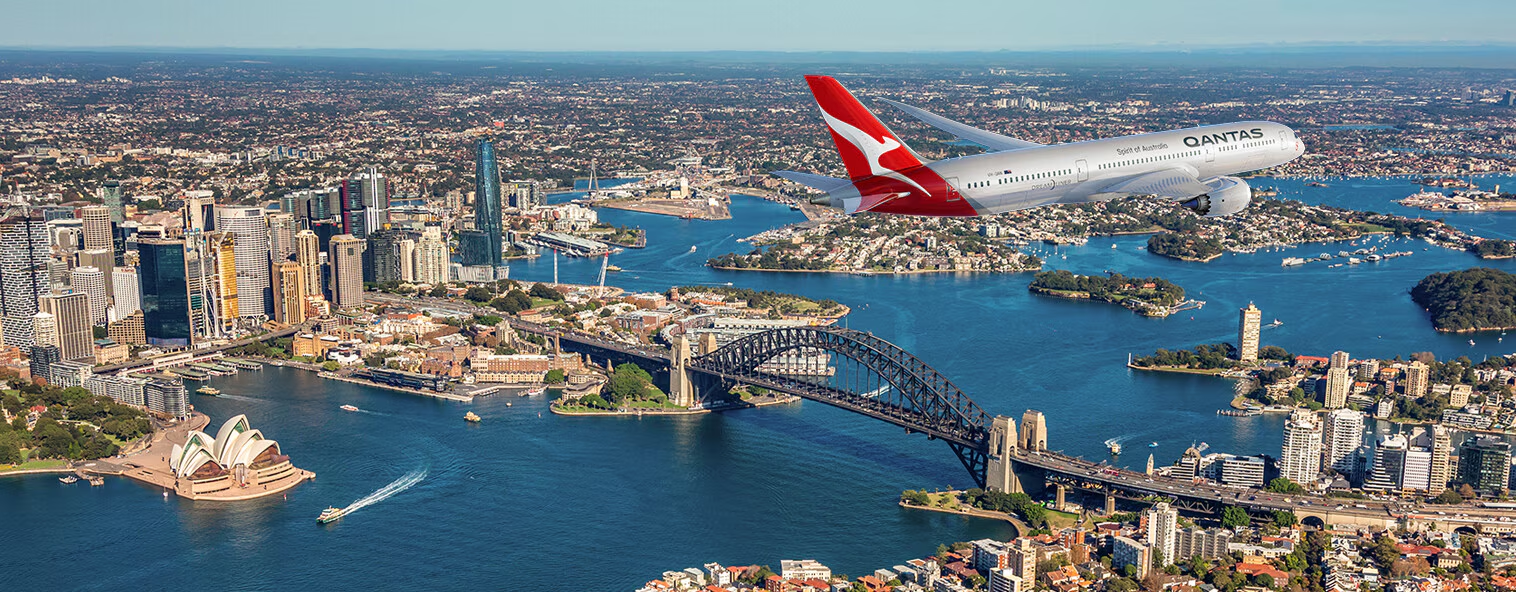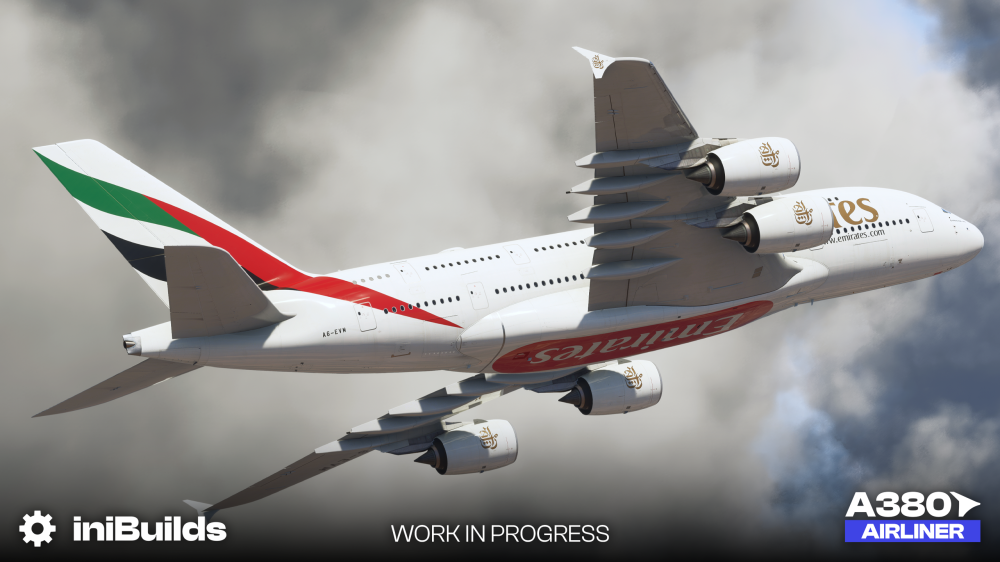

The decision was disclosed alongside Qantas’ full-year financial results on August 27 and reflects the growing cost and complexity of operating the aging A380 fleet, particularly as parts availability and maintenance demands increase. Reuters reported that Qantas currently operates 10 A380s and will begin phasing them out from 2028 rather than keeping them in service into the early 2030s.
The A380 Is Leaving Earlier Than Expected
Qantas had previously planned to keep the A380 flying well into the next decade.
That timeline has now changed.
The airline says the first retirements will begin in mid-2028, with the fleet gradually shrinking as newer widebody aircraft arrive. Rising maintenance costs, supply-chain challenges and the increasing difficulty of supporting an aircraft that has been out of production since 2021 all played a role in the decision.
For Qantas, the issue is not that the A380 suddenly became incapable.
It is that keeping a small fleet of very large, highly specialized aircraft operating reliably gets more expensive as those aircraft age.
And once Airbus stopped building them, the long-term economics became even harder.
Qantas Still Has 10 A380s in Service
Qantas currently has a fleet of 10 Airbus A380s, with the aircraft used on some of the airline’s highest-capacity international routes.
The A380 has remained an important part of Qantas’ long-haul network, especially on routes where premium demand and passenger volume justify deploying the airline’s largest aircraft.
Earlier this year, Qantas even shifted A380 flying between routes as demand patterns changed, including moving aircraft onto Sydney-Singapore while reducing A380 use on Melbourne-Los Angeles.
So this is not an immediate shutdown.
The aircraft still has work to do.
But the countdown has now officially started.
Newer Widebodies Will Take Over
Qantas is already investing heavily in the aircraft that will replace much of its older long-haul fleet.
The airline has additional Boeing 787s on order, along with multiple versions of the Airbus A350-1000.
Qantas has ordered:
- 12 specially modified A350-1000ULRs for Project Sunrise
- 12 additional A350-1000LRs
- 4 additional Boeing 787-9s
- 8 Boeing 787-10s
Those aircraft will progressively reshape the airline’s international fleet over the next several years.
While some of the new widebodies are primarily intended to replace the A330 fleet, Qantas has also said its long-term widebody order structure gives it flexibility to replace the A380 as well.
Qantas May Order Even More A350s and 787s
The accelerated A380 retirement could lead to another widebody order.
Reuters and other reporting around Qantas’ full-year results indicate the airline is evaluating whether to convert additional Airbus and Boeing purchase options into firm orders for aircraft arriving from around 2030.
That could mean additional A350s, 787s, or some combination of both.
The exact mix has not been finalized.
But the strategy is clear.
Qantas wants a future long-haul fleet built around newer twin-engine aircraft rather than very large four-engine jets.
Project Sunrise Is Part of the Transition
The highest-profile piece of Qantas’ fleet renewal is Project Sunrise.
The airline has ordered 12 specially configured Airbus A350-1000ULRs for nonstop ultra-long-haul flights connecting Australia with destinations such as London and New York.
The first aircraft, named Vega, is scheduled for delivery in April 2027, with nonstop Sydney-London service planned to begin in October 2027.
The A350-1000ULR has been configured with only 238 seats, unusually low for an aircraft of its size, because Qantas is prioritizing space and passenger comfort on flights expected to last close to 20 hours.
That is almost the philosophical opposite of the A380.
The A380 was built around carrying huge numbers of passengers between major hubs.
Project Sunrise is built around flying smaller numbers of passengers extraordinarily long distances without stopping.
The First Project Sunrise A350 Has Already Flown
Qantas’ first Project Sunrise A350-1000ULR completed its maiden test flight in June.
The aircraft flew for 3 hours and 43 minutes from Toulouse while Airbus crews tested primary systems, including the specialized fuel system required for flights lasting up to 22 hours.
That system includes an additional 20,000-liter rear center fuel tank.
The aircraft is undergoing an extensive test and certification campaign before delivery to Qantas.
As those A350s begin arriving, the airline’s future long-haul strategy will become increasingly visible.
The 787 Is Another Major Piece
Qantas is also expanding its Boeing 787 fleet.
The airline has four additional 787-9s and eight 787-10s on order, with deliveries planned from FY28.
The 787-10 offers more capacity than the 787-9, while still providing the operating efficiency of a modern twin-engine widebody.
Together with the A350 family, those aircraft give Qantas more flexibility to match aircraft size and range to individual routes.
That is something the A380 does not always do gracefully.
The superjumbo works extremely well when an airline can fill it.
When demand softens, there is a lot of airplane left over.
Maintenance Costs Are Catching Up With the Superjumbo
The economics of the A380 become more difficult as the aircraft ages.
Four engines mean additional maintenance exposure compared with newer twin-engine widebodies.
The aircraft also requires specialized components, landing gear, cabin infrastructure and airport equipment.
Reuters reported that parts shortages and maintenance complexity are increasingly contributing to Qantas’ decision to accelerate retirement.
That challenge is likely to grow as more A380s leave service globally.
A shrinking worldwide fleet means fewer operators, fewer spare parts and a smaller support ecosystem.
For passengers, the A380 may still feel wonderfully modern.
For an engineering department trying to keep one flying reliably for another decade, the view can be rather different.
Fuel Costs Add More Pressure
Qantas’ latest results also showed how sensitive airline economics remain to fuel costs.
The airline reported an underlying profit before tax of A$2.064 billion, down A$330 million from the previous year.
Higher fuel costs were a major factor.
That environment makes replacing older, less efficient aircraft even more attractive.
A modern A350 or 787 can carry a substantial passenger load over very long distances using two engines instead of four.
That does not automatically make every A380 route uneconomic.
But over an entire fleet and thousands of annual flight hours, efficiency differences become very expensive numbers.
The A380 Still Has Fans
For all its economic challenges, the A380 remains one of the most popular aircraft among passengers.
Its enormous cabin, quiet interior and spacious upper deck created a flying experience that newer aircraft do not quite replicate.
Qantas also invested heavily in upgrading its A380 interiors after returning the aircraft to service following the pandemic.
That makes the accelerated retirement a slightly unusual situation.
These are not neglected aircraft limping toward the scrapyard.
They remain flagship airplanes.
Qantas simply sees a different fleet making more financial and operational sense in the future.
The Superjumbo Era Keeps Shrinking
Qantas is not alone.
The A380 fleet has been shrinking across the industry since Airbus ended production in 2021.
Some airlines retired the aircraft completely.
Others continue operating it because it remains exceptionally effective on a limited number of very high-demand routes.
Qantas’ decision is another sign that the A380 is gradually moving from mainstream long-haul aircraft to specialist equipment operated by a shrinking group of carriers.
It is unlikely to disappear overnight.
But every retirement announcement narrows the horizon.
A Very Different Qantas Is Emerging
By the end of the decade, Qantas’ international fleet will look dramatically different.
A350s will be flying ultra-long-haul Project Sunrise routes.
Additional A350s and 787s will replace older widebodies.
A321XLRs will handle longer narrowbody missions.
And the A380 fleet will be heading steadily toward retirement.
That is more than a fleet refresh.
It represents a shift in how Qantas intends to build its network.
Instead of relying as heavily on extremely large aircraft moving passengers between major hubs, the airline is investing in aircraft capable of flying farther, more efficiently and with more flexibility.
The Queen of the Qantas Fleet Has an Exit Date
The Airbus A380 has been one of the most recognizable aircraft in Qantas history.
Its arrival represented a period when airlines believed the future of international travel would depend heavily on larger aircraft moving enormous numbers of passengers between major global hubs.
Qantas’ future now points elsewhere.
Toward the A350.
Toward the 787.
Toward nonstop ultra-long-haul routes.
And toward aircraft that can provide similar range with fewer engines and greater flexibility.
The A380 still has several years of flying left in Qantas colors.
But mid-2028 will mark the beginning of the end.
For one of aviation’s most extraordinary passenger aircraft, another clock has started ticking.